
How much do you really know about E-Waste?
Do you know how to safely dispose of electronic waste (e-waste) to keep our planet healthy?
Reduce, Reuse, Recycle. Let’s Erase Electronic Waste”

E-WASTE
E-waste is defined as discarded electrical or electronic devices which are destined for refurbishment, reuse, resale, salvage recycling through material recovery, or disposal. Americans throw out over 9 million tons of e-waste every year.
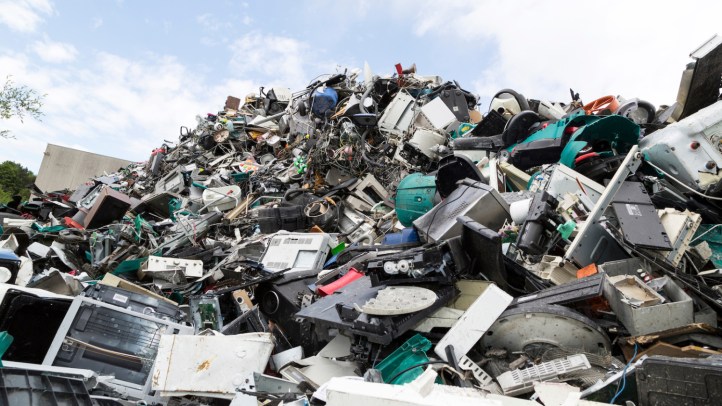
Common E-waste Products
- Computers and laptops
- Telephones and cell phones
- Printers and printer cartridges
- Televisions and radios
- Household appliances
Harmful Substances Found in Electronics
- Mercury affects the nervous system (brain, spinal cord, and nerves)
- Arsenic causes lung cancer and damages the nervous system
- Cadmium harms the liver and impairs fetal growth
- Lead harms the brain, kidneys and nervous system
- Chromium irritates the nose, throat, lungs, skin, and eyes
Benefits of Recycling E-waste
- Cuts down on greenhouse gas emissions
- Saves energy
- Generates revenue
- Recovers precious metals
- Reduces carbon footprints
- Conserves natural resources
- Reduces environmental pollution
- Protects human and animal health
Maryland’s E-Waste Law (waste360.com) – 2005
Maryland has passed an electronic waste (e-waste) recycling law that requires computer manufacturers to pay an annual fee to fund local computer recycling programs. Governor Robert Ehrlich Jr. signed the bill (HB-575) into law in early May.
 ccc-cultivatingcommunityconnections.net